

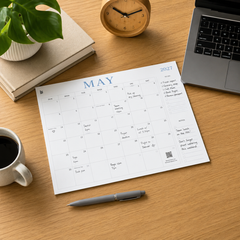




There’s something exciting about the start of a new school year. Fresh notebooks, sharpened pencils, and the promise of new opportunities have a way of making us feel like anything is possible. But alongside the excitement often comes a long list of responsibilities, class schedules, assignment deadlines, parent-teacher meetings, extracurricular activities, and the everyday challenge of keeping everything organized.
Whether you're a teacher preparing your classroom, a college student balancing classes and a part-time job, or a parent managing multiple family calendars, the reality is the same: a successful school year usually starts with a plan.
Over the years, many families and educators have discovered that having a dedicated academic calendar can make a noticeable difference. Unlike traditional January-to-December calendars, academic calendars are designed around the rhythm of the school year, helping you see important dates, deadlines, and milestones in one convenient place.
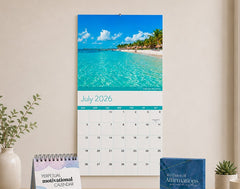
The 2026–2027 Academic Own The Year Calendar was created with that purpose in mind. It offers a simple way to stay organized, reduce last-minute stress, and create more room for the things that matter most while learning, growing, and enjoying the journey along the way.
In this blog, we'll share practical planning tips, organization strategies, and ideas for making the most of the upcoming school year. By the end, you'll have a clearer picture of how a few minutes of planning each week can help make the entire year feel more manageable.
Because when it comes to back-to-school season, the goal is not to have a perfectly scheduled life, it's to feel prepared, confident, and ready to own the year.
What Is the Academic Own The Year Calendar?
If you've ever found yourself flipping between sticky notes, phone reminders, and hastily scribbled to-do lists during the school year, you're not alone. Busy schedules have a way of expanding quickly, especially once classes, activities, and family commitments begin piling up.
That's where the Academic Own The Year Calendar comes in.
Designed specifically for the academic year, this big wall calendar helps students, teachers, parents, and professionals plan beyond a single semester. Instead of beginning in January like a traditional wall calendar, it follows the natural flow of the school year, giving you a clear view of upcoming milestones from July through December.
The Academic Own The Year Calendar is a planning tool built for real life. It provides dedicated monthly spreads with ample writing space, making it easy to keep track of everything from assignment due dates and exam schedules to family vacations and important appointments.
What Makes It Different From Other Calendars?
Unlike generic calendars that often feel disconnected from the school calendar, the Academic Own The Year Calendar is intentionally designed around the needs of people who live by semesters, grading periods, and seasonal routines.
Some of its standout features include:
- Coverage from July through June.
- Spacious monthly layouts for notes and reminders.
- Clean, easy-to-read design.
- Durable construction designed for everyday use.
- A practical format that works in classrooms, home offices, dorm rooms, and family spaces.
The extra months matter more than you might think. Having visibility into summer programs, holiday breaks, and the beginning of the next school year makes it easier to plan ahead instead of constantly playing catch-up.
Who Is This Calendar For?
One of the best things about academic calendars is their flexibility. While they were originally designed with schools in mind, they can be useful for nearly anyone who wants a better overview of their year.
The Academic Own The Year Calendar is especially helpful for:
Teachers
- Track grading periods.
- Plan lessons and classroom events.
- Remember professional development days.
- Stay ahead of parent-teacher conferences.
Students
- Keep assignments and exams organized.
- Track extracurricular activities.
- Set academic and personal goals.
- Prepare for college applications or internships.
Parents
- Coordinate school schedules.
- Manage appointments and activities.
- Plan vacations around school breaks.
- Keep the entire family on the same page.
Homeschool Families
- Organize curriculum plans.
- Schedule field trips.
- Track learning milestones.
- Maintain a consistent routine.
Tutors and Academic Coaches
- Schedule sessions.
- Monitor student progress.
- Plan semester goals.
- Keep track of important academic dates.
Why Academic Calendars Continue to Grow in Popularity
In an age of apps and notifications, many people are rediscovering the value of seeing their month at a glance. A physical calendar provides something digital tools often can't: perspective.
There's a noticeable difference between receiving a reminder on your phone and standing back to see an entire month laid out in front of you. You begin to notice patterns. Busy weeks become easier to anticipate. Deadlines feel less overwhelming because they're no longer hidden behind multiple screens.
For many households, the calendar becomes more than a planning tool, it becomes a shared space where goals, commitments, and memories come together throughout the year.
Why an Academic Calendar Works Better Than a Regular Calendar
At first glance, a calendar is a calendar, right?
Not necessarily.
While traditional January-to-December calendars work well for tracking holidays and birthdays, they don't always align with the way students, teachers, and families actually live. The school year follows its own timeline, complete with semesters, grading periods, spring breaks, and summer transitions. That's why many people discover that an academic calendar simply makes more sense.
The difference becomes especially noticeable once the back-to-school season begins.
1. It Aligns with the School Year
One of the biggest advantages of an academic calendar is that it starts when your busiest season starts.
Think about it:
- Teachers begin preparing classrooms during the summer.
- Students receive schedules before classes officially begin.
- Parents start coordinating transportation, activities, and appointments weeks in advance.
A traditional calendar asks you to start fresh in January, right in the middle of the school year. An academic calendar, on the other hand, begins in July, giving you time to prepare before the first day of school arrives.
Instead of feeling like you're restarting your planning system halfway through the year, you can follow one continuous timeline from orientation and open houses to final exams and graduation celebrations.
2. It Helps You See the Bigger Picture
One of the most common planning mistakes is focusing only on the week ahead.
When you're juggling multiple responsibilities, it's easy to lose sight of what's coming next. An academic calendar gives you a bird's-eye view of your schedule, helping you identify busy periods before they become overwhelming.
3. It Reduces Last-Minute Stress
Ask almost anyone what causes the most stress during the school year, and you'll hear a familiar list:
- Forgotten assignments
- Missed appointments
- Double-booked commitments
- Last-minute projects
- Overlapping activities
An academic calendar won't eliminate a busy schedule, but it can make that schedule feel much more manageable.
Many people find that simply writing down important dates reduces the mental effort required to remember them. Instead of trying to keep everything in your head, you create a trusted system that keeps track of it for you.
That's one less thing to worry about during an already busy week.
4. It Encourages Intentional Planning
Physical calendars encourage a different kind of planning.
Unlike digital reminders that appear and disappear with a swipe, writing something down often feels more intentional. It creates a moment to pause and think about how your time is being spent.
Questions naturally begin to surface:
- Am I overcommitting this month?
- Have I scheduled enough downtime?
- What are my priorities this semester?
- Is there anything I should prepare for now?
These small moments of reflection can lead to better decisions throughout the year.
A Personal Perspective
After relying on digital reminders for years, many people are surprised by how helpful a physical academic calendar can be.
There's something reassuring about walking past your calendar each morning and instantly seeing what's ahead. No unlocking your phone. No opening an app. Just a quick glance that reminds you where you are and where you're going.
For busy families, that visibility can be especially valuable. Everyone knows what's coming up, and important dates become part of the household conversation instead of remaining tucked away in someone's phone
Planning Tips For Academic Calendar
Over time, many families develop simple routines that make busy schedules feel more manageable. The good news is that these strategies don't require expensive apps or complicated systems, just a little consistency and a calendar that's easy to reference.
1. Create a Sunday Planning Ritual
One of the most effective habits parents swear by is the weekly planning session.
Set aside ten to fifteen minutes every Sunday evening to review the week ahead as a family. During this time, you can:
- Check upcoming school events.
- Review sports schedules.
- Confirm appointments.
- Discuss transportation plans.
- Prepare for special projects or presentations.
- Identify particularly busy days.
This small habit can prevent many of the "I forgot to tell you" moments that tend to happen during the school year.
Many parents say this simple routine has become one of their favorite family traditions because it creates an opportunity to connect before the week begins.
2. Keep the Calendar Somewhere Visible
A calendar can't help much if it's hidden inside a drawer.
Experienced parents often recommend placing an academic calendar in a high-traffic area of the home, such as:
- The kitchen
- A family command center
- The home office
- Near the entryway
- Beside a homework station
The more often family members see it, the more likely they are to use it.
Visibility also creates accountability. When everyone can see the schedule, everyone shares responsibility for staying informed.
3. Use Color-Coding to Simplify Busy Schedules
Color-coding may sound simple, but it can be incredibly effective for larger families.
Consider assigning colors to each family member:
- Mom – Blue
- Dad – Green
- Child 1 – Purple
- Child 2 – Orange
- Family events – Red
At a glance, you'll be able to identify who has activities scheduled and when.
This approach works particularly well during seasons when extracurricular activities are in full swing and the calendar begins filling up quickly.
4. Plan Beyond School Events
Parents often focus on school-related responsibilities while forgetting to schedule personal commitments.
Remember to include:
- Doctor appointments
- Birthdays
- Family vacations
- Date nights
- Household projects
- Self-care time
A well-balanced calendar reflects your entire life—not just your responsibilities.
After all, family memories are just as important as report cards and recital dates.
5. Build in Breathing Room
One lesson experienced parents learn over time is that every minute of the day doesn't need to be scheduled.
Children benefit from downtime, and so do adults.
Try to avoid stacking too many commitments back-to-back whenever possible. Leaving open space on the calendar creates flexibility when unexpected situations arise. and they always do.
Whether it's a sick day, a forgotten permission slip, or an impromptu ice cream stop after school, having a little margin in your schedule can make life feel considerably less stressful.
6. Keep Important Dates Together
Many parents maintain a running list of annual events that occur around the same time each year.
Examples include:
- School registration dates
- Teacher appreciation week
- Standardized testing periods
- Spring concerts
- Graduation ceremonies
- Summer camp registration deadlines
Adding these recurring events to your calendar early can help eliminate surprises later in the year.
How to Create an "Own the Year" Planning Routine
Buying a calendar is easy.
Using it consistently? That's where the real magic happens.
The most organized people aren't necessarily the ones with color-coded spreadsheets or perfectly planned days. More often than not, they're simply people who have developed a few small habits that they repeat over time.
That's the idea behind the phrase "Own the Year."
It's not about controlling every moment or creating an unrealistic schedule. It's about being intentional with your time so that important things don't get lost in the busyness of everyday life.
The good news is that building a planning routine doesn't have to be complicated. In fact, it can take less than ten minutes a week.
1. Start Each Morning with a Quick Check-In
Before diving into emails, homework, or household responsibilities, spend a minute looking at your calendar.
Ask yourself:
- What's happening today?
- What are my top priorities?
- Is there anything I need to prepare for?
- Do I have time scheduled for breaks?
This simple habit creates clarity before the day begins.
Many people find that taking sixty seconds to review their schedule helps them feel more focused and less reactive throughout the day.
2. Use a Weekly Reset
If there's one habit that can transform the way you plan, it's a weekly review.
Choose a time that works for you—Sunday evenings are popular—and spend five to ten minutes updating your calendar.
During your weekly reset:
- Review last week's accomplishments.
- Add new appointments and deadlines.
- Update assignments and projects.
- Check upcoming events.
- Identify your priorities for the week.
- Schedule time for rest and self-care.
Think of it as hitting the reset button before the week begins.
3. Create Monthly Planning Sessions
At the start of each month, take a step back and look at the bigger picture.
Review:
- Major deadlines
- School events
- Family commitments
- Financial goals
- Vacations and holidays
- Personal milestones
Then ask yourself:
- What do I want to accomplish this month?
- What challenges can I prepare for now?
- Is my schedule realistic?
Monthly planning helps ensure that your daily activities align with your larger goals.
4. Don't Forget to Plan for Downtime
One of the biggest mistakes people make is scheduling every available minute.
Your calendar should include more than obligations.
Consider intentionally scheduling:
- Family movie nights
- Weekend outings
- Reading time
- Exercise
- Coffee with friends
- Days with no plans at all
Rest isn't something you earn after productivity, it's an important part of maintaining it.
A calendar that only contains work and responsibilities isn't a planning tool; it's a reminder of everything you're trying to juggle.
Conclusion
No school year is ever completely predictable.
There will be unexpected schedule changes, last-minute assignments, forgotten permission slips, and weeks that feel busier than you thought possible. That's simply part of life. But having a plan can make those moments feel a lot less overwhelming.
Throughout this blog, we've explored how students, teachers, and families can benefit from using an academic calendar, from managing assignments and school events to building better planning habits and creating more time for the things that matter most.
The truth is, organization isn't about filling every square on a calendar or striving for a perfectly planned life. It's about giving yourself a reliable system that helps you feel prepared, focused, and in control of your time.
The 2026–2027 Academic Own The Year Calendar was designed with that goal in mind. Because when you know what's coming next, you spend less time worrying and more time enjoying the journey.
Ready to Own the Year?
Explore the 2026–2027 Academic Own The Year Calendar today and discover how thoughtful planning can help you stay organized, reduce stress, and make the most of every milestone ahead.

