

Between assignments, lesson plans, meetings, exams, and everything else life throws our way, staying organized can feel like a full-time job.
Students are balancing classes, extracurricular activities, and deadlines. Teachers are managing classrooms, grading papers, and planning weeks, sometimes months, ahead. No matter which side of the desk you're on, one thing is true: having a clear plan makes busy days feel more manageable.
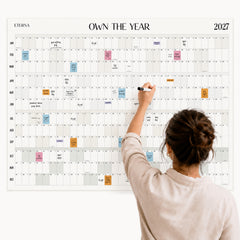
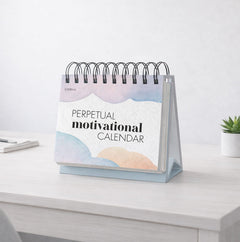
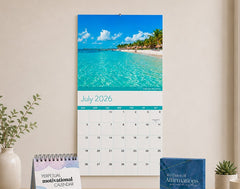
While digital calendars have their place, something is reassuring about seeing your schedule laid out in front of you. An 18-month flat desk calendar offers a simple, screen-free way to keep important dates, goals, and commitments visible throughout the academic year and beyond.
Whether you're preparing for the first day of school, mapping out semester milestones, or simply trying to create a little more order in your daily routine, the right planning tool can make all the difference.
In this blog, we'll explore how an 18-month flat desk calendar can help students and teachers stay organized, reduce stress, and plan with confidence throughout the school year.
Why Long-Term Planning Matters in Education
Education has always been about looking ahead.
Teachers don't just plan for tomorrow's lesson, they think about the entire semester. Students don't succeed by focusing only on this week's homework, they succeed by preparing for the exams, projects, and opportunities that lie months ahead.
The challenge is that life doesn't happen one assignment or one class period at a time. It happens all at once.
A single month during the school year might include:
- Assignment deadlines
- Midterm and final exams
- Parent-teacher conferences
- Staff meetings
- Classroom events
- College applications
- Club activities
- Professional development days
- Holiday breaks
- Personal commitments
Without a system to keep everything visible, it's easy for important dates to slip through the cracks.
Planning Helps Reduce Stress
One of the biggest benefits of long-term planning is peace of mind.
When important dates are written down, your brain no longer has to work overtime trying to remember everything. Instead of constantly asking yourself, "Am I forgetting something?" you can glance at your calendar and immediately know what's coming next.
Why Writing Things Down Still Works
In an age of smartphones and notifications, paper planning remains surprisingly effective.
Many students and educators find that physically writing down tasks helps them:
- Remember information more easily
- Stay focused during the day
- Prioritize what matters most
- Reduce screen time
- See the bigger picture at a glance
There's also something refreshing about a planning tool that doesn't buzz, vibrate, or compete for your attention.
Teachers Need Visibility Across the Entire School Year
Experienced educators know that classrooms run more smoothly when plans are made early.
A long-term calendar can help teachers map out:
- Testing windows
- Lesson plan milestones
- Parent conferences
- Field trips
- School holidays
- Classroom celebrations
- Professional development events
Having these dates visible throughout the year makes it easier to anticipate busy periods and avoid unnecessary last-minute scrambling.
From Thinking Beyond the Next Deadline
Students often focus on what's immediately in front of them, a quiz tomorrow or a paper due next week. But developing long-term planning habits can have benefits that extend far beyond the classroom.
Keeping a calendar can help students:
- Build stronger time-management skills
- Prepare for exams in advance
- Balance academics and extracurricular activities
- Manage part-time jobs and internships
- Stay on top of scholarship and application deadlines
These are the same organizational skills they'll carry into college, careers, and everyday life.
What Is an 18-Month Flat Desk Calendar?
Not all calendars are created with busy schedules in mind.
Some only cover a single year. Others offer limited writing space or are designed to hang on a wall where they're easy to overlook. An 18-month flat desk calendar takes a different approach, it combines long-term visibility with everyday practicality.
An 18-month flat desk calendar is designed to help you plan farther ahead without adding complexity to your routine. Instead of replacing your digital tools, it serves as a reliable visual companion that keeps your most important dates front and center.
What Does "18 Months" Mean?
An 18-month calendar provides continuous planning coverage across a year and a half. That means you can organize everything from the start of the school year through the end of the following calendar year.
This extended timeframe makes it easier to plan for:
- Fall and spring semesters
- Summer classes and camps
- Graduation timelines
- College application deadlines
- School events and performances
- Professional development opportunities
- Family vacations and holiday breaks
- Long-term personal goals
Rather than purchasing a new planner halfway through a major project or academic cycle, you'll have one place to track it all.
Why the Lay-Flat Design Matters
At first glance, "lay flat" may sound like a small detail, but it's one you'll appreciate every single day.
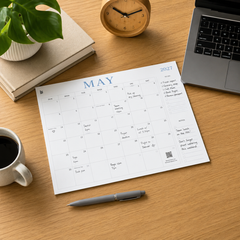
A lay-flat calendar stays open while you're writing, giving you a clear and uninterrupted view of your schedule. No curled corners. No pages flipping closed. No struggling to keep your place while adding an important date.
That means you can:
- Write comfortably across the page.
- View your month at a glance.
- Keep the calendar visible on your desk.
- Quickly reference upcoming events.
- Share schedules with family members or coworkers.
It's a simple feature that creates a smoother planning experience, especially during busy seasons when every minute counts.
More Than Just a Calendar
For many people, a calendar isn't simply a place to write appointments, it's a tool for creating better routines.
It becomes the place where goals take shape, deadlines become manageable, and busy weeks feel a little less chaotic.
Over time, you'll start to recognize patterns in your schedule. You'll anticipate your busiest seasons and make room for the moments that matter, whether that's preparing for finals or remembering to celebrate the last day of school.
The right calendar doesn't just help you keep track of time, it helps you use it more intentionally.

How Students Can Use a Flat Desk Calendar
By keeping an entire month visible, students can develop stronger planning habits, manage their time more effectively, and feel more in control of their schedules.
1. Keep Important Dates Front and Center
Every semester comes with a long list of commitments.
Students can use their calendar to track:
- Assignment due dates
- Midterms and final exams
- Group project deadlines
- Club meetings
- Sports practices and competitions
- Scholarship applications
- Campus events
- Internship interviews
- Registration deadlines
Instead of relying on memory or digging through emails, everything lives in one easy-to-reference place.
A quick glance at your desk can tell you exactly what the next few weeks look like.
2. Build Better Study Habits
Successful students rarely leave studying until the last minute. They create systems that help them prepare consistently.
An 18-month flat desk calendar is perfect for planning ahead. Try using different colors to organize your schedule:
- Blue for classes and lectures
- Green for assignments
- Red for exams
- Purple for extracurricular activities
- Orange for personal appointments
You can also block out dedicated study sessions throughout the month. For example, if a final exam is four weeks away, schedule shorter review periods leading up to it rather than cramming the night before.
Small, consistent efforts often produce better results than marathon study sessions.
3. Balance School and Life
Students aren't just students.
Many are also employees, athletes, volunteers, roommates, siblings, and friends. Balancing these responsibilities can quickly become overwhelming without a clear planning system.
A desk calendar can help you identify when your schedule is becoming too full.
You might realize that:
- Three exams are scheduled during the same week.
- You've committed to too many extracurricular activities.
- You haven't planned any downtime in over a month.
- A holiday break is the perfect opportunity to recharge.
Planning isn't just about productivity, it's about protecting your time and energy.
4. Reduce Last-Minute Stress
Few feelings are worse than remembering an important deadline at the last possible moment.
We've all been there:
"Wait... wasn't that assignment due today?"
Having a calendar visible every day creates gentle reminders without the constant interruptions of notifications and alarms.
Instead of reacting to deadlines, you'll start preparing for them.
And over time, that shift can make school feel significantly less stressful.
5. Create a Routine That Lasts Beyond School
Learning how to manage your time is one of the most valuable skills you'll ever develop.
The students who plan effectively today often become the professionals who confidently manage projects, meetings, and responsibilities tomorrow.
A simple habit, checking your calendar each morning or updating it every Sunday evening, can pay dividends for years to come.
A Simple Tool for a Busy School Year
The best planning tools are the ones you'll actually use.
An 18-month flat desk calendar provides enough space to map out assignments, exams, and personal goals while giving you a clear view of the months ahead. Whether you're entering your first year of college or preparing for graduation, having a dedicated place to organize your life can make a busy school year feel a lot more manageable.
How Teachers Can Use It in the Classroom
Teaching requires constant planning, not just for tomorrow's lesson but for weeks and months ahead. That's why many educators rely on visual planning tools to keep their classrooms, schedules, and responsibilities running smoothly.
An 18-month flat desk calendar can become more than a calendar, it can become your command center for the entire academic year.
Plan the School Year Before It Begins
There's a reason experienced teachers start planning early.
Before students even walk through the classroom door, many educators are already thinking about:
- Curriculum pacing
- Testing windows
- Classroom celebrations
- Field trips
- Parent-teacher conferences
- School assemblies
- Professional development days
- Holiday schedules
Having these dates mapped out in one place makes it easier to see potential scheduling conflicts and prepare for busy periods before they arrive.
Instead of reacting to the school year as it unfolds, you can stay several steps ahead.
Organize Lesson Plans and Milestones
Lesson planning becomes much easier when you have a clear view of the months ahead.
For example, a teacher might use their calendar to mark:
- The beginning and end of each unit
- Major projects and presentations
- Reading milestones
- Science fair dates
- State assessments
- Grading deadlines
By spreading these milestones throughout the year, it's easier to maintain a comfortable pace and avoid cramming important activities into already busy weeks.
Stay Ahead of Meetings and Administrative Tasks
Teaching extends far beyond the classroom.
Most educators are also juggling:
- Staff meetings
- Parent conferences
- Committee responsibilities
- Professional development workshops
- Faculty events
- School improvement initiatives
Keeping these commitments visible can help prevent scheduling surprises and make it easier to protect valuable planning time.
There's also something satisfying about crossing a completed meeting or event off your calendar at the end of a long day.
Create a Calmer Workspace
Teachers spend much of their day helping everyone else stay organized.
Students ask questions. Administrators send reminders. Emails continue to arrive. By the time the final bell rings, your brain has been processing information for hours.
A desk calendar provides a quiet, reliable place to keep your priorities visible.
It doesn't need charging. It won't disappear behind open tabs on your computer. It simply sits on your desk, ready whenever you need a reminder of what's coming next.
Many educators find that maintaining an organized workspace helps reduce mental clutter and creates a greater sense of calm during busy seasons.
Use It as a Classroom Planning Tool
An 18-month calendar can also support classroom routines.
Consider using it to track:
- Monthly themes
- Reading challenges
- Classroom goals
- Birthday celebrations
- School spirit days
- Special guest visits
- Seasonal activities
You may even find that students enjoy seeing important classroom dates displayed and counting down to upcoming events together.
Planning can become a shared experience rather than a behind-the-scenes task.
Why an 18-Month Calendar Is Ideal for the 2026–2027 School Year
The academic year has a way of stretching beyond the dates we initially expect.
What starts as a plan for the fall semester quickly grows into spring deadlines, summer opportunities, holiday commitments, and preparations for the following school year. Before you know it, a standard 12-month calendar no longer feels sufficient.
That's one reason why more students, teachers, and families are choosing 18-month calendars. They provide the extra planning horizon needed to navigate an increasingly busy academic and personal schedule.
For the 2026–2027 school year, having visibility beyond a single year can be a significant advantage.
Simple Planning Tips from Experienced Teachers and Students
Here are a few tried-and-true planning strategies that can help you get more from your calendar.
1. Schedule a Weekly Planning Session
One of the easiest ways to stay organized is to dedicate 10–15 minutes each week to planning.
Many people find Sunday evenings or Monday mornings work best.
During your planning session, take time to:
- Review upcoming deadlines.
- Add new appointments.
- Identify your busiest days.
- Set priorities for the week.
- Adjust plans if needed.
Think of it as a reset button that helps you start each week feeling prepared rather than rushed.
2. Use Color Coding to Simplify Your Schedule
Color coding isn't just aesthetically pleasing, it can help you process information more quickly.
Try assigning colors to different categories:
- Blue: Classes or lesson plans
- Green: Assignments and grading
- Red: Exams and major deadlines
- Purple: Meetings and appointments
- Orange: Personal events
Over time, you'll begin to recognize patterns at a glance.
If an entire week is covered in red, for example, you'll know it's time to prepare for a busy stretch.
3. Write Down Personal Commitments, Too
One of the biggest planning mistakes people make is only tracking work or school responsibilities.
Your calendar should reflect your whole life.
Be sure to include:
- Birthdays
- Family events
- Vacations
- Doctor appointments
- Social activities
- Self-care time
After all, maintaining balance is just as important as staying productive.
4. Follow the "Rule of Three"
Every week, identify the three things that matter most.
For a teacher, that might be:
- Finish report cards.
- Prepare next month's lesson plans.
- Attend parent conferences.
For a student, it could be:
- Complete a research paper.
- Study for a biology exam.
- Submit a scholarship application.
Keeping your focus on three major priorities can prevent you from feeling overwhelmed by an endless to-do list.
5. Leave Space for the Unexpected
If there's one thing teachers and students know, it's that plans change.
Classes get rescheduled. Meetings run long. Assignments are moved. Life happens.
Try to avoid filling every square on your calendar.
Leaving a little white space provides flexibility and gives you room to adapt when unexpected events arise.
Ironically, some of the best planning involves accepting that not everything can be planned.
6. Celebrate Small Wins
Calendars tend to focus on what's next, but it's equally important to acknowledge what you've accomplished.
Take a moment to celebrate milestones like:
- Finishing a major project
- Completing finals
- Surviving the first week of school
- Wrapping up a grading period
- Reaching a personal goal
Recognizing progress can help maintain motivation throughout the year.
7. Keep Your Calendar Visible
The most effective calendar is the one you see regularly.
Place your desk calendar somewhere you'll naturally look throughout the day:
- On your classroom desk
- Next to your computer
- In your study area
- On a kitchen counter
- Near your workspace at home
Visibility creates consistency, and consistency is what turns planning into a habit.
Conclusion
The school year will always be busy. There will be assignments to finish, lessons to plan, meetings to attend, and deadlines that seem to arrive faster than expected.
But staying organized doesn't have to feel overwhelming.
Sometimes, the simplest tools make the biggest difference. Taking a few moments to write down important dates, review upcoming plans, and visualize the months ahead can help reduce stress and create a greater sense of control throughout the year.
An 18-month calendar offers something many planning tools can't: perspective. It helps you look beyond today's to-do list and focus on the bigger picture, whether that's graduating, completing a successful school year, or simply creating more balance in your daily life.
For students, it's a place to track goals, assignments, and milestones. For teachers, it's a reliable companion for lesson planning, classroom organization, and long-term preparation. And for both, it's a reminder that a little planning today can make tomorrow feel much easier.
If you're ready to approach the 2026–2027 school year with greater confidence, the 18-Month Flat Desk Calendar is designed to help you stay organized every step of the way.

