




The Science Behind Mindfulness: Benefits of a Mindfulness Calendar

The Science Behind Mindfulness: Benefits of a Mindfulness Calendar

In today’s fast-paced world, it’s easy to feel overwhelmed. Notifications ping constantly, tasks pile up, and before you know it, the day is over without a single moment of calm. That’s where mindfulness comes in, a simple, proven way to bring focus, clarity, and peace into your daily life.

Mindfulness is more than just a buzzword. It’s the practice of paying attention, on purpose, to the present moment, without judgment. When done consistently, mindfulness can reduce stress, improve emotional well-being, and help you feel more connected to yourself and the world around you.

But starting a mindfulness practice can feel intimidating. Meditating for an hour each day sounds ideal, but who really has that kind of time? That’s where a mindfulness calendar can make a big difference. By offering small, actionable daily prompts, a mindfulness calendar turns a lofty goal into a simple, enjoyable habit you can actually stick with.

Imagine starting each day with a gentle reminder to pause, reflect, and focus on the present. Over time, those few minutes can transform your mindset, reduce stress, and make your daily life feel lighter and more intentional.

Ready to start your journey to a calmer, more mindful life? Keep reading to discover the science behind mindfulness and how a simple daily calendar can help you make it a habit.

The Science Behind Mindfulness

Mindfulness is not just a trendy wellness practice; it is backed by science. Researchers have been studying mindfulness for decades, and the results are clear: even a few minutes of focused attention each day can make a big difference in your mental and physical health.

How Mindfulness Affects the Brain

  • Reduces Stress: Studies show that mindfulness lowers cortisol, the stress hormone, which helps you feel calmer and more relaxed.

  • Enhances Focus and Clarity: Mindfulness strengthens the prefrontal cortex, the part of the brain responsible for attention, planning, and decision-making.

  • Improves Emotional Regulation: By calming the amygdala (the brain’s “emotional center”), mindfulness helps you respond to challenges more thoughtfully instead of reacting impulsively.

  • Promotes Neuroplasticity: Regular mindfulness practice literally changes your brain, creating new neural pathways that support resilience, patience, and focus.

Why Consistency Matters

The key to reaping these benefits is not doing one long meditation session; it's small, daily practices. That’s why a tool like a Mindfulness Calendar is so powerful. It gives you bite-sized prompts you can do every day, helping mindfulness become a natural part of your routine without feeling like a chore.

Think of it as training your brain for calmness and focus, one simple prompt at a time. Over weeks and months, the cumulative effects can be profound, less stress, more clarity, and a greater sense of emotional balance.

How a Mindfulness Calendar Works

Starting a mindfulness practice can feel overwhelming, but a Mindfulness Calendar makes it simple, approachable, and even enjoyable. Think of it as a daily guide that gently reminds you to pause, reflect, and connect with the present moment.

1. Daily Prompts That Make Mindfulness Easy

Each day on the calendar features a small, actionable prompt designed to bring awareness and calm into your life. These prompts are short, just a few minutes of reflection or action, but they’re carefully crafted to create lasting benefits.

Examples of daily prompts you might find on a Mindfulness Calendar include:

  • Mindful Breathing: Take three deep breaths and notice how your body feels.
  • Gratitude Moment: Write down one thing you’re thankful for today.
  • Awareness Exercise: Pause and observe your surroundings, focusing on sights, sounds, and smells.
  • Reflection Question: Ask yourself, “What can I let go of today? ” or “How did I handle my emotions today? ”

2. Consistency Without Pressure

One of the biggest challenges in practicing mindfulness is staying consistent. A mindfulness calendar removes that barrier by giving you a structured, easy-to-follow routine. You don’t have to figure out what to do each day; the calendar does it for you, which helps mindfulness become a habit rather than a task.

3. Visual and Tactile Benefits

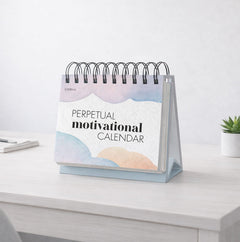
Holding a physical calendar or seeing it on your desk is a visual cue that encourages daily practice. Checking off each day provides a small sense of accomplishment, which reinforces your habit and motivates you to continue.

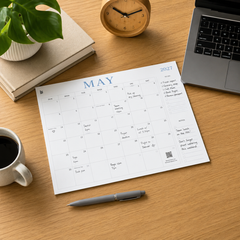
The Eterna Goods 2026 Mindfulness Calendar offers daily mindfulness tips like “Micro Gratitude” and “Mindful Sip,” with dates, social handles, and full-color tear-off pages—a thoughtful self-care gift.

The Benefits of Using a Mindfulness Calendar

Using a mindfulness calendar is not just about marking days on a page, it’s about building a habit that transforms your mental and emotional well-being. Here’s how incorporating just a few minutes of daily mindfulness can make a meaningful difference:

1. Consistency Made Simple

Daily mindfulness is most effective when it becomes a habit. A calendar provides a structured approach, removing the guesswork and helping you stay consistent without feeling overwhelmed.

2. Reduce Stress and Anxiety

Even short daily exercises can lower cortisol levels, helping you feel calmer and more centered. The gentle reminders on the calendar encourage you to pause and breathe, easing tension throughout the day.

3. Boost Focus and Productivity

Mindfulness improves attention and clarity. By taking a few minutes to reset your mind each day, you’ll find it easier to concentrate on tasks, make better decisions, and approach challenges with calm and focus.

4. Heightened Emotional Awareness

Daily reflection prompts encourage you to check in with your emotions, helping you recognize patterns, release negativity, and respond to situations more thoughtfully.

5. Trackable Progress and Motivation

There’s something satisfying about seeing your daily progress. Each checked-off day provides a visual reminder of your commitment, reinforcing your habit and giving you a sense of accomplishment.

6. Builds a Foundation for Long-Term Well-Being

Small daily habits accumulate over time. A few minutes of mindfulness every day strengthens mental resilience, enhances emotional regulation, and contributes to long-term happiness.

How to Get the Most Out of Your Mindfulness Calendar

A Mindfulness Calendar is a powerful tool, but like any habit, it works best when used thoughtfully. Here are some practical tips to help you maximize its benefits and create a routine that truly supports your well-being:

1. Set a Consistent Time Each Day

Pick a time that works for you, morning, lunch break, or evening, and make it your daily mindfulness ritual. Consistency helps turn a small practice into a lasting habit.

2. Create a Calm, Dedicated Space

Even a tiny corner of your desk or a cozy spot by a window can make your practice more enjoyable. Add a candle, soft music, or a comfortable chair to make the experience inviting.

3. Pair With Simple Mindfulness Techniques

Use the prompts as a starting point. Try mindful breathing, journaling, or a short meditation alongside each daily exercise to deepen the experience.

4. Reflect and Record Your Progress

Use the calendar to jot down brief thoughts or observations. Seeing your growth over time reinforces the habit and motivates you to continue.

5. Combine With Other Calendars for a Holistic Routine

Layering these practices can create a rich, multifaceted mindfulness routine that nurtures your mind, body, and spirit.

6. Keep It Fun and Flexible

Remember, mindfulness isn’t about perfection; it’s about awareness and presence. If you miss a day, simply pick up where you left off. Consistency matters more than perfection.

Conclusion 

Mindfulness doesn’t have to be complicated or time-consuming. By committing to just a few minutes each day, you can cultivate calm, clarity, and focus, even in the busiest of lives.

Key Takeaways

  • Mindfulness is scientifically proven to reduce stress, improve focus, and enhance emotional well-being.
  • Daily prompts make mindfulness simple, consistent, and achievable.
  • Real-life users report measurable benefits: less stress, more focus, and a greater sense of calm.

Your Next Step

The journey to a more mindful, intentional life begins with a single step, a small daily habit that grows into lasting transformation.